Tayna Chessman, LM, CPM · 5/21/26
How Do Midwives Handle Emergencies During a Home Birth?
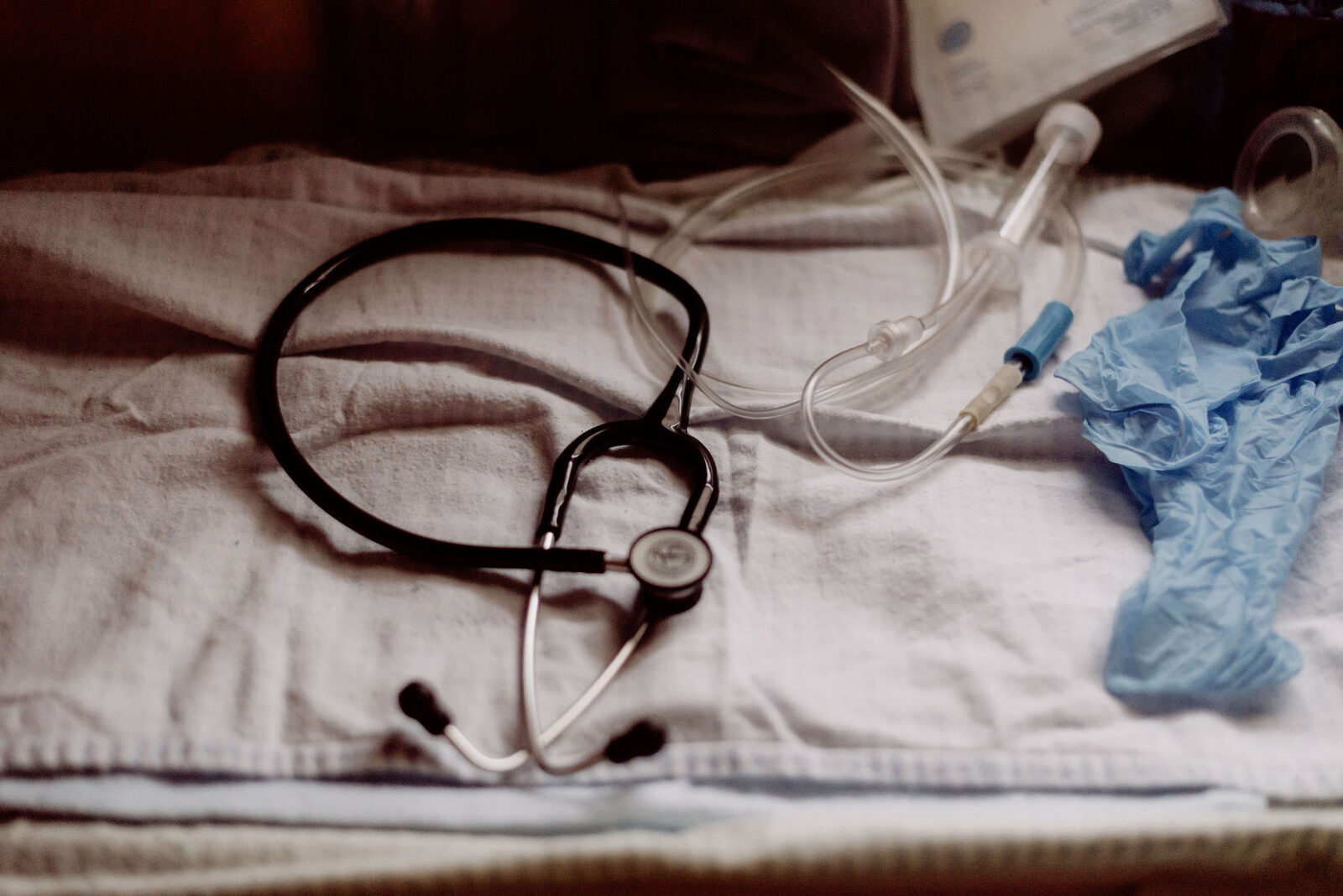
One of the most common questions families ask before choosing home birth is also the most important: what happens if something goes wrong? Licensed midwives train specifically for this, and preparation - not improvisation - is what makes home birth safe for appropriately screened, low-risk pregnancies.
Prevention Starts Long Before Labor
Careful risk screening throughout prenatal care is the first line of defense. Ongoing monitoring of blood pressure, growth, and other risk factors means many potential complications are identified - and addressed, often with a transfer to OB care - well before labor begins.
What Midwives Bring to Every Birth
- Emergency medications, including for postpartum hemorrhage
- Oxygen and neonatal resuscitation equipment
- IV supplies and equipment for maternal stabilization
- Continuous fetal heart tone monitoring equipment
- A clear, pre-established transfer plan to a local hospital
How Transfers Work
Every family planning a home birth reviews a transfer plan in advance - which hospital, what the drive looks like, and under what circumstances a transfer would happen. Most transfers are non-emergent, done by car, for reasons like a prolonged labor or a desire for pain relief. True emergency transfers are rare, but the plan exists and is rehearsed regardless.
Why Training and Relationships Matter
A midwife's relationships with local hospitals and physicians directly affect how smoothly a transfer goes if one is needed. Birthstone Midwifery maintains those relationships throughout Riverside County specifically so that if a transfer becomes necessary, it happens quickly and without added stress.
Related pages:
Have Questions About Your Pregnancy or Birth?
Schedule a consultation with Birthstone Midwifery for personalized, evidence-based care.