Tayna Chessman, LM, CPM · 5/8/26
VBAC at Home: Is It Safe and Is It Right for You?
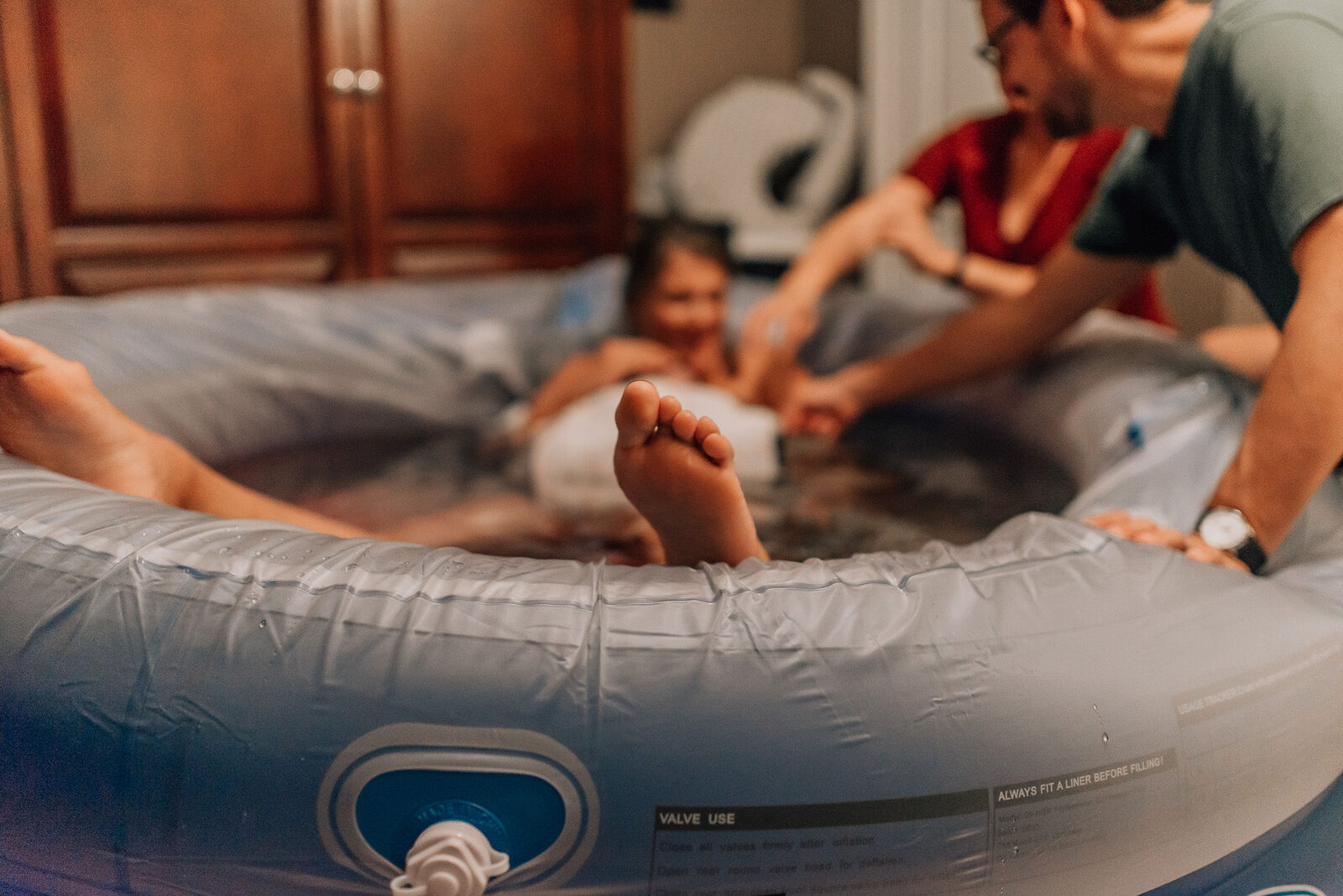
VBAC (vaginal birth after cesarean) at home is a real, viable option for many families - but candidacy matters enormously here, more than almost any other home birth decision. Here's what determines whether VBAC at home is safe for you specifically.
Factors That Support VBAC Candidacy
- A low transverse (side-to-side) uterine incision from the prior cesarean - not a vertical or classical incision
- No more than one or two prior cesareans, depending on individual history
- Adequate spacing between the prior birth and this pregnancy
- No recurring reason for the original cesarean (e.g. a one-time issue like breech presentation, not a structural factor)
- A straightforward recovery from the prior cesarean with no complications
Why Incision Type Matters So Much
The type of uterine incision - not the visible skin scar - is what actually determines uterine rupture risk during a subsequent labor. Obtaining the operative report from your prior cesarean, not just relying on memory, is an essential early step in VBAC planning.
What Makes Home VBAC Different From Hospital VBAC
The core question is the same in either setting - is this a safe candidate for a trial of labor - but a home VBAC requires an extra layer of comfort with distance from immediate surgical capability, plus a clearly rehearsed transfer plan should labor not progress as expected.
How Birthstone Midwifery Approaches VBAC
VBAC candidacy is evaluated individually, with full transparency about risk factors and a clear, honest conversation about whether home birth is the safest setting for your specific history.
Related pages:
Have Questions About Your Pregnancy or Birth?
Schedule a consultation with Birthstone Midwifery for personalized, evidence-based care.