Tayna Chessman, LM, CPM · 5/12/26
What Is the Difference Between a Midwife and an OB-GYN?
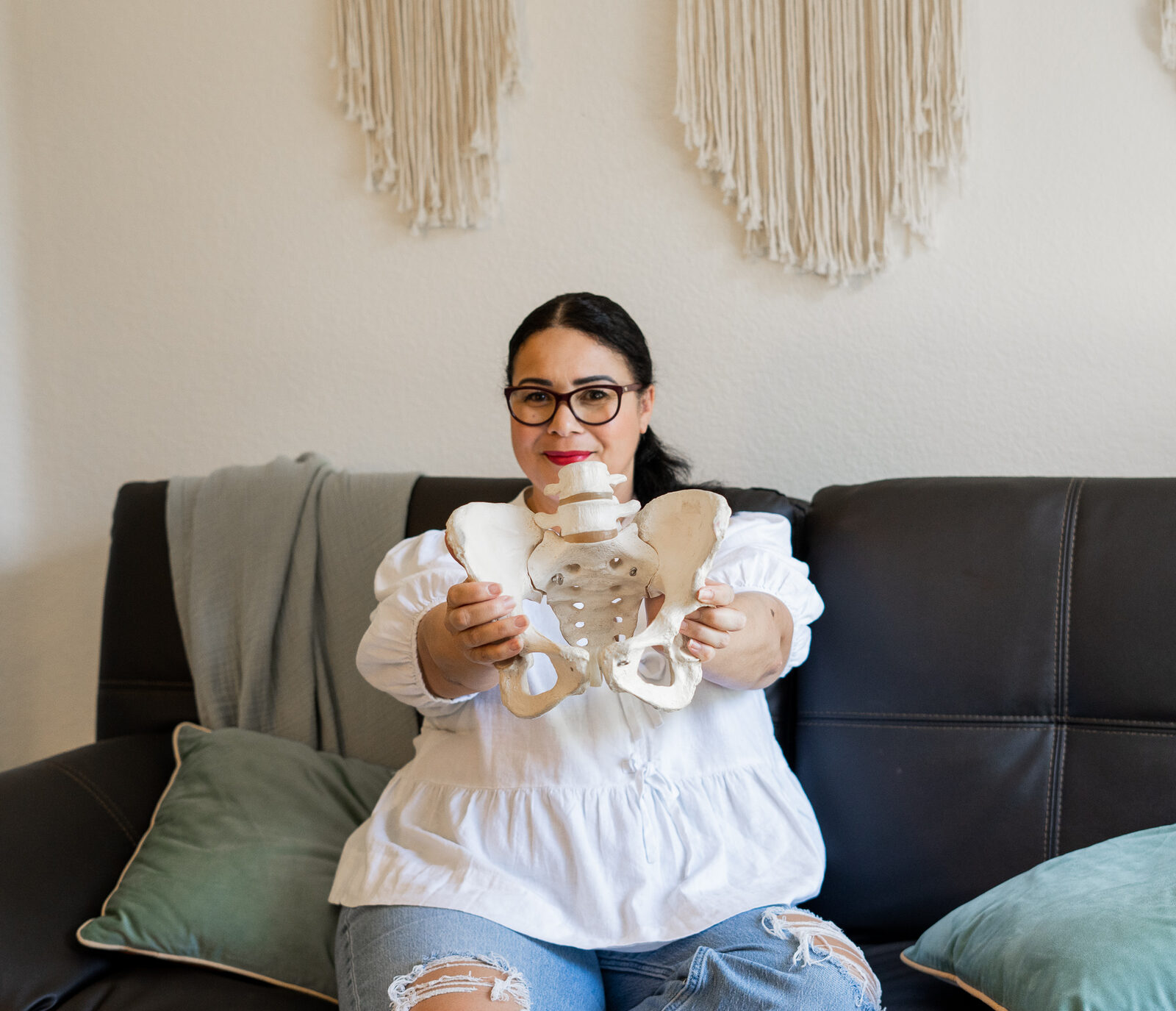
Midwives and OB-GYNs are both trained, credentialed professionals - the difference is in the training itself, the philosophy behind it, and the scope of practice that follows. Here's a closer look at the credentials.
OB-GYN Training
An OB-GYN is a physician (MD or DO) who completes medical school followed by a four-year residency in obstetrics and gynecology, with training in surgical delivery, high-risk pregnancy management, and gynecological surgery. This makes them the appropriate provider for higher-risk pregnancies and any situation requiring surgical intervention.
Midwife Training & Credentials
In California, a Licensed Midwife (LM) completes a state-approved midwifery education program and passes both the NARM (North American Registry of Midwives) exam and a California-specific licensing exam. Many LMs are also Certified Professional Midwives (CPMs), a national credential with its own rigorous clinical and didactic requirements. Midwifery training focuses specifically on normal, low-risk pregnancy and birth, with defined protocols for recognizing when a situation falls outside that scope.
Certified Nurse-Midwives (CNMs)
It's worth noting there's a third credential many people aren't aware of: Certified Nurse-Midwives, who are registered nurses with additional graduate-level midwifery training, typically practicing in hospitals or birth centers. LMs and CPMs, by contrast, are trained specifically for out-of-hospital birth.
Philosophy Shapes Practice
Beyond credentials, the two models reflect different starting assumptions: OB care is built around the possibility of complication and the tools to manage it surgically; midwifery care is built around supporting a normal physiological process, with clear referral pathways when something moves outside normal.
Choosing the Right Provider
Neither model is universally “better” - the right choice depends on your risk profile, your preferences, and what kind of care experience you're looking for. Many families also use both, with midwifery-led prenatal care and OB backup available if needed.
Related pages:
Have Questions About Your Pregnancy or Birth?
Schedule a consultation with Birthstone Midwifery for personalized, evidence-based care.