Tayna Chessman, LM, CPM · 5/1/26
Is Home Birth Safe? What the Research Actually Says
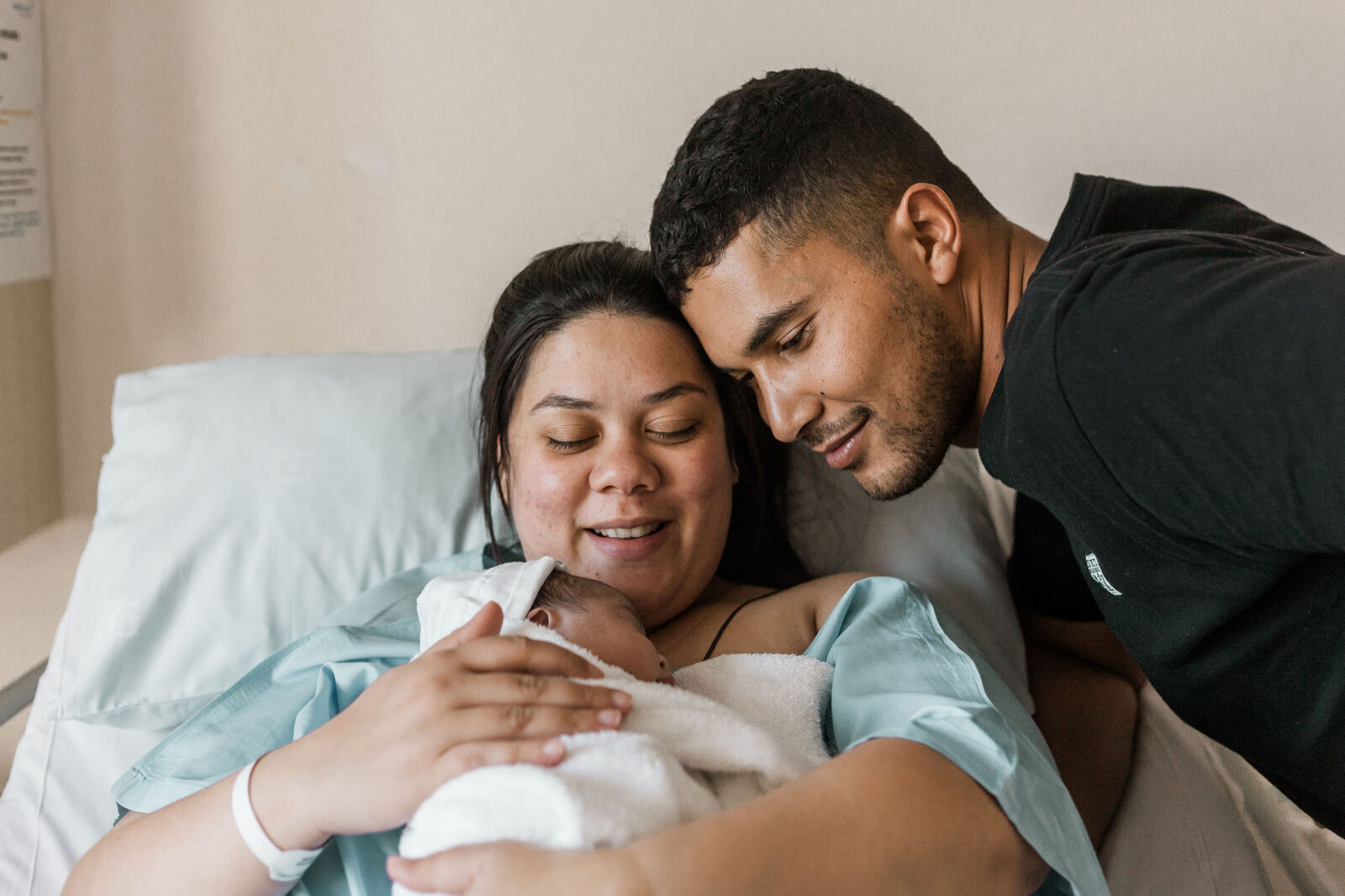
Home birth safety is a genuinely contested topic in public conversation, but the research picture is more specific - and more reassuring for the right population - than headlines usually suggest. Here's what the evidence actually says.
The Key Variable: Risk Screening
Nearly every large study on home birth safety converges on the same finding: outcomes for planned home birth are comparable to hospital birth specifically among low-risk, appropriately screened pregnancies attended by a trained provider. Studies that don't separate low-risk from high-risk pregnancies, or unplanned from planned home births, tend to produce muddier, less useful conclusions.
What Matters Most in the Data
- A qualified, licensed provider attending the birth
- Careful prenatal risk screening throughout pregnancy
- A clear, workable transfer plan to a hospital if needed
- Reasonable proximity to hospital care
When these conditions are met, research consistently finds low rates of intervention alongside safety outcomes comparable to hospital birth for low-risk pregnancies. When any of these conditions are missing, risk rises accordingly - which is exactly why responsible midwifery practice takes screening and transfer planning so seriously.
What the Research Doesn’t Say
The evidence doesn't support home birth as universally safe regardless of risk factors, and it doesn't support the opposite claim either - that home birth is inherently dangerous. The honest answer depends on the specific pregnancy and the specific provider.
How to Apply This to Your Own Decision
Rather than relying on a general statistic, ask a potential provider directly about their own outcomes, screening criteria, and transfer rates - that's a more useful data point than any national study for your individual decision.
Related pages:
Have Questions About Your Pregnancy or Birth?
Schedule a consultation with Birthstone Midwifery for personalized, evidence-based care.